
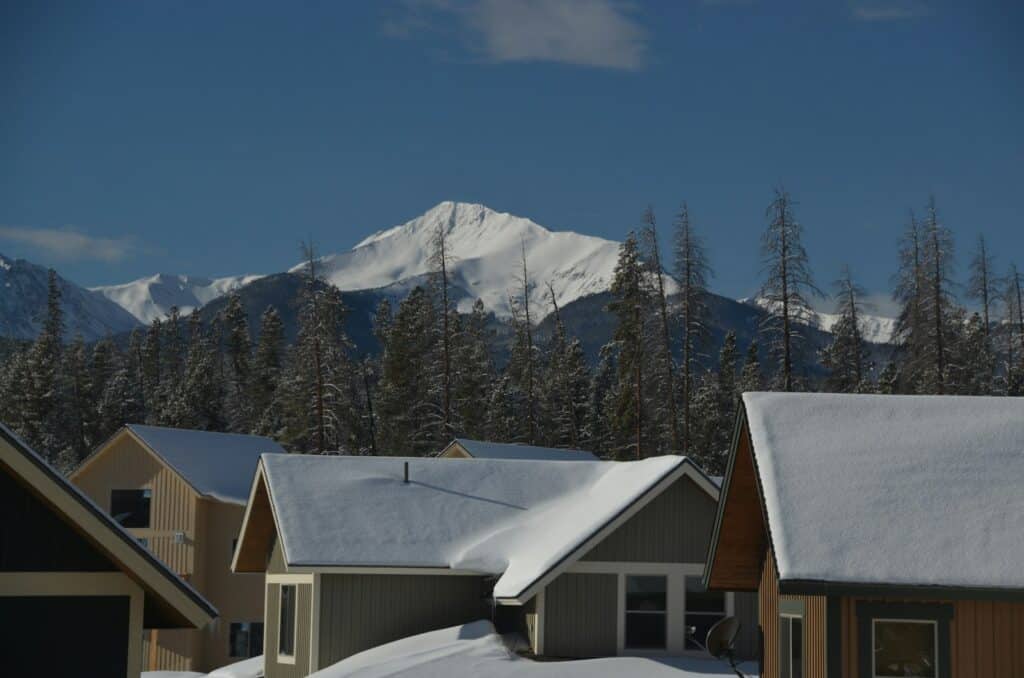
Few things beat a Colorado mountain home — morning coffee with a view, skiing in the winter, hiking all summer. But buying in the mountains is different from buying in Denver. Here are eight things I walk every mountain buyer through before they make an offer.
1. Short-term rental rules vary town by town
If you plan to rent the home on Airbnb or VRBO when you’re not using it, check the rules before you fall in love with a property. Many mountain counties and towns now require short-term rental licenses, and some limit how many are issued or where they’re allowed. HOA rules can add another layer. We’ll help you confirm what’s allowed for each specific address.
2. Water and septic aren’t a given
Many mountain properties rely on a well and a septic system instead of city water and sewer. Plan on inspecting both, testing the well water, and confirming the well permit allows the use you intend.
3. Wildfire risk affects insurance
Homeowner’s insurance in wildfire-prone areas can be more expensive and harder to get. Get insurance quotes early in your inspection period — not the week before closing. Defensible space, roof materials and distance to a fire station can all make a difference.
4. Access matters — especially in winter
Ask who plows the road, whether it’s a public or private road, and whether there’s a road maintenance agreement. A steep driveway that’s charming in July can be a challenge in January.
5. Heating and utilities can surprise you
Some homes use propane, wood stoves or electric baseboard heat. Ask for past utility bills so you know the true cost of owning the home year-round.
6. Test for radon
Radon is common in many parts of Colorado, including the mountains. Testing is inexpensive, and mitigation systems are a common, routine fix.
7. Snow load, roofs and decks
Mountain homes take a beating from snow and sun. Have your inspector look closely at the roof, decks and drainage. Ice dams and deck rot are common and worth catching early.
8. Financing a second home
Lenders treat second homes and investment properties differently from primary residences, and that can affect your down payment and rate. Talk to a lender about how you plan to use the home before you start shopping.
Work with someone who knows the mountains
Our team helps buyers in Colorado’s mountain and ski communities as well as the Front Range, so we know the questions to ask and the local experts to bring in. Ready to start looking? Call us at (720) 403-2940 or reach out here.